
For businesses
Commercial refrigeration
Cold rooms, freezer rooms, display cabinets and condensing units for shops, kitchens and food businesses that cannot afford warm stock.
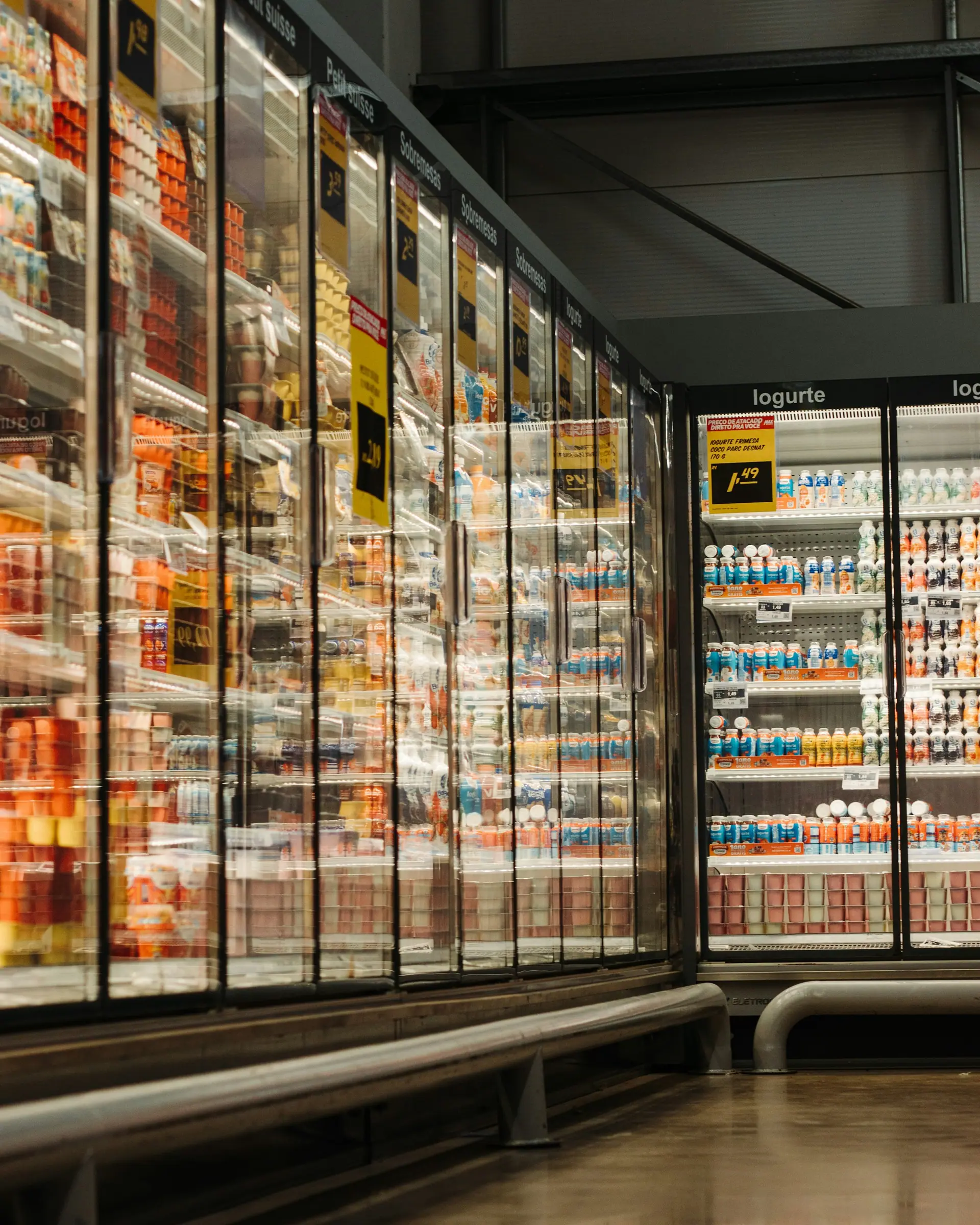 Representative photo
For a butchery, supermarket, restaurant or caterer, refrigeration is stock, food safety and income. A failing condensing unit is an emergency, and a badly designed cold room costs money every month in wasted electricity.
We look at what you store, how often the doors open and where the condensing unit can breathe, then design, install and maintain refrigeration that holds its temperature in a hot, humid coastal climate.
How it works
What's included
- Cold rooms and freezer rooms
- Insulated panel rooms with doors, evaporators and condensing units matched to the load.
- Display refrigeration
- Upright and open display cabinets, bottle coolers and chest freezers.
- Condensing units
- Selection, installation and replacement of remote condensing units.
- Temperature control
- Thermostats, defrost settings and controls set up for the product you store.
- Breakdown repairs
- Fault finding on compressors, fans, controls and refrigerant circuits.
- Preventive maintenance
- Coil cleaning, door seal checks and performance checks to avoid stock losses.
Typical storage temperatures
Each product has its own range, and the room, evaporator and controller are set up around it.
Frozen storage
−18 °C or colder
Chilled storage
about 0 °C to 5 °C
Guidance only. Follow the requirements for your product and any food safety rules that apply to your business.
Refrigeration questions
What temperature should a cold room run at?
Chilled rooms for fresh produce and dairy usually run between about 0 °C and 5 °C, and freezer rooms around −18 °C or colder. The right setting depends on the product, so we set it up for what you actually store.
Why is my cold room struggling on hot days?
Common causes are a dirty condenser coil, a condensing unit installed where it cannot reject heat, worn door seals or a door left open. A maintenance visit usually finds it.
Planning a cold room, or worried about one?
Send a few details and we will come back to you with next steps, or call and speak to a director directly.