
For homes and businesses
Servicing & maintenance
Scheduled cleaning and checks that keep units efficient, keep the air clean and catch small faults before they become breakdowns.
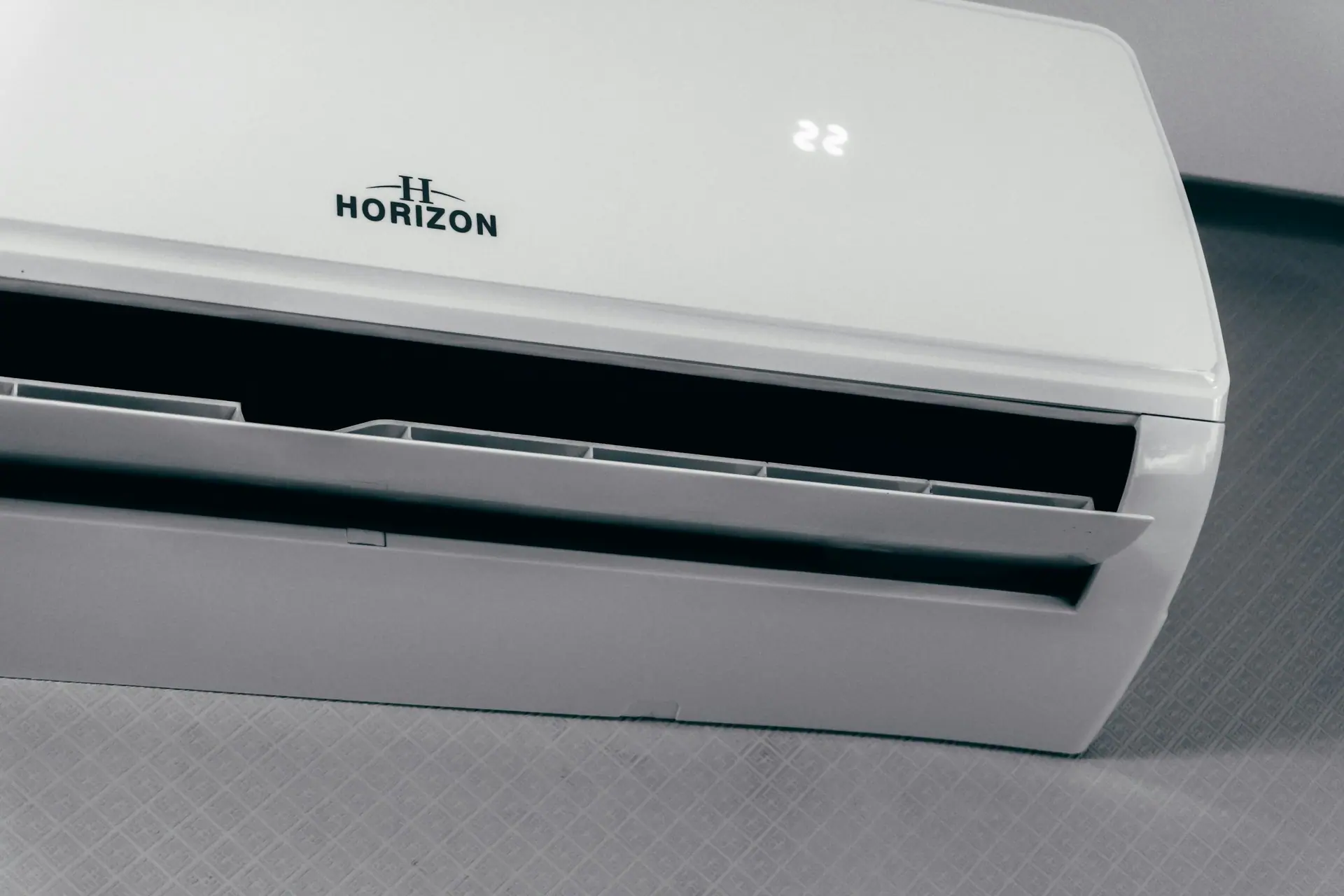 Representative photo
An air conditioner that has not been serviced keeps running, just not well. Dust on the coils and filters makes it work harder for less cooling, and blocked drains are the usual cause of water dripping from indoor units.
Coastal conditions add salt and moisture to the mix, which speeds up corrosion on outdoor coils and connections. Regular servicing is the cheapest way to protect the system and your electricity bill.
How it works
What's included
- Filter and coil cleaning
- Indoor filters, evaporator and outdoor condenser coils cleaned to restore airflow and heat transfer.
- Drain clearing
- Condensate trays and lines flushed to stop leaks, odours and mould.
- Refrigerant checks
- Operating pressures and temperatures checked against the manufacturer's specification.
- Electrical inspection
- Connections, capacitors and controls checked for wear, heat damage and corrosion.
- Service report
- A short written note of what was done and anything that needs attention.
- Planned maintenance
- Recurring visits scheduled for businesses with several units or critical cooling.
How often should it be serviced?
General guidance. Dust, salt air and long running hours all shorten the interval.
| Situation | Suggested interval |
|---|---|
| Home, normal use | Suggested interval: Once a year, before summer |
| Home close to the beach or harbour | Suggested interval: Every six months |
| Offices and shops | Suggested interval: Every three to six months |
| Kitchens, server rooms, dusty or industrial sites | Suggested interval: Every three months |
| Cold rooms and display refrigeration | Suggested interval: Every three months, plus regular coil and door-seal checks |
Servicing questions
How often should an air conditioner be serviced?
For homes, at least once a year, ideally before summer. For businesses, busy shops and units close to the sea, every three to six months is more realistic.
Why is water dripping from my indoor unit?
Usually a blocked or poorly sloped condensate drain, or a dirty filter causing the coil to ice up and then thaw. Switch the unit off and book a service; it is normally a quick fix.
Due for a service? Book it before the heat does.
Send a few details and we will come back to you with next steps, or call and speak to a director directly.